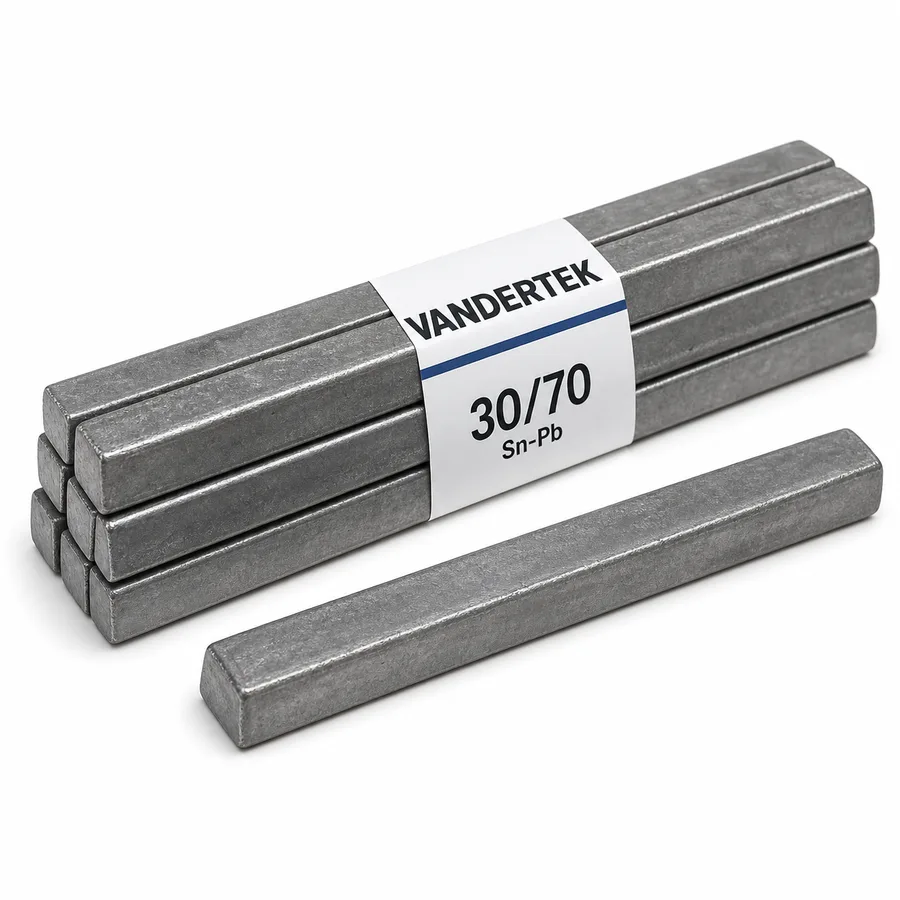
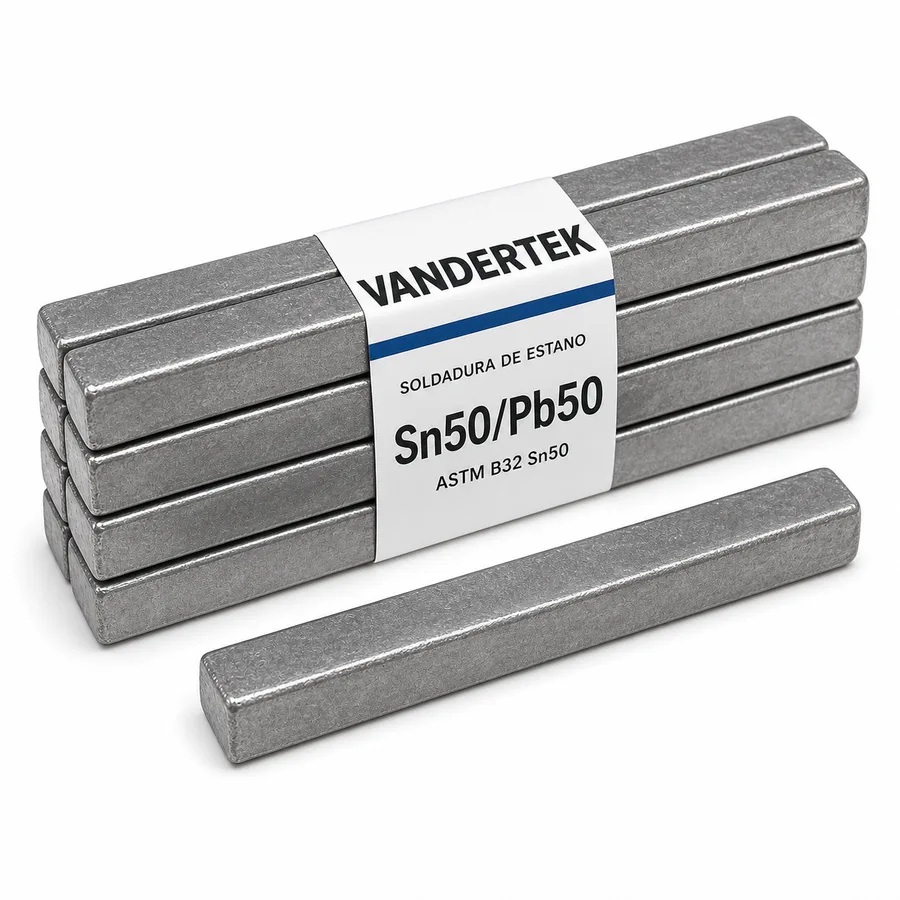
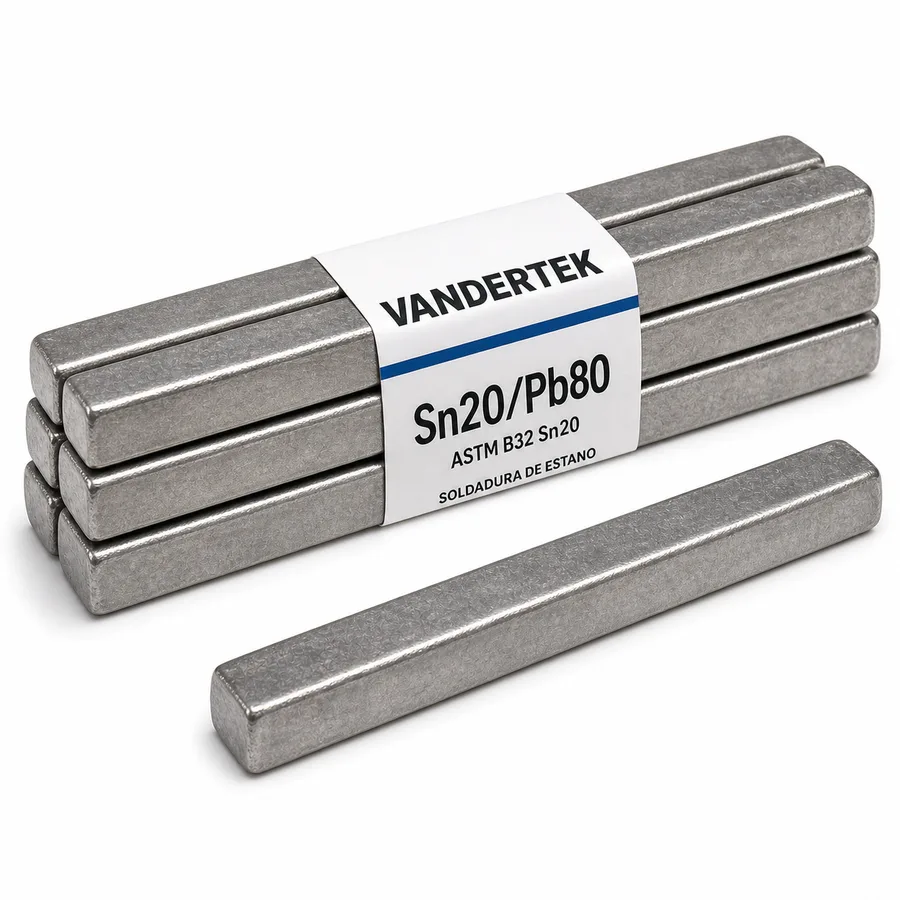
40/60 Tin Solder is a soft solder by Genérico importado, classification ASTM B32 Sn40, tin-lead alloy. In stock; diameter, package and price are confirmed in the quote.
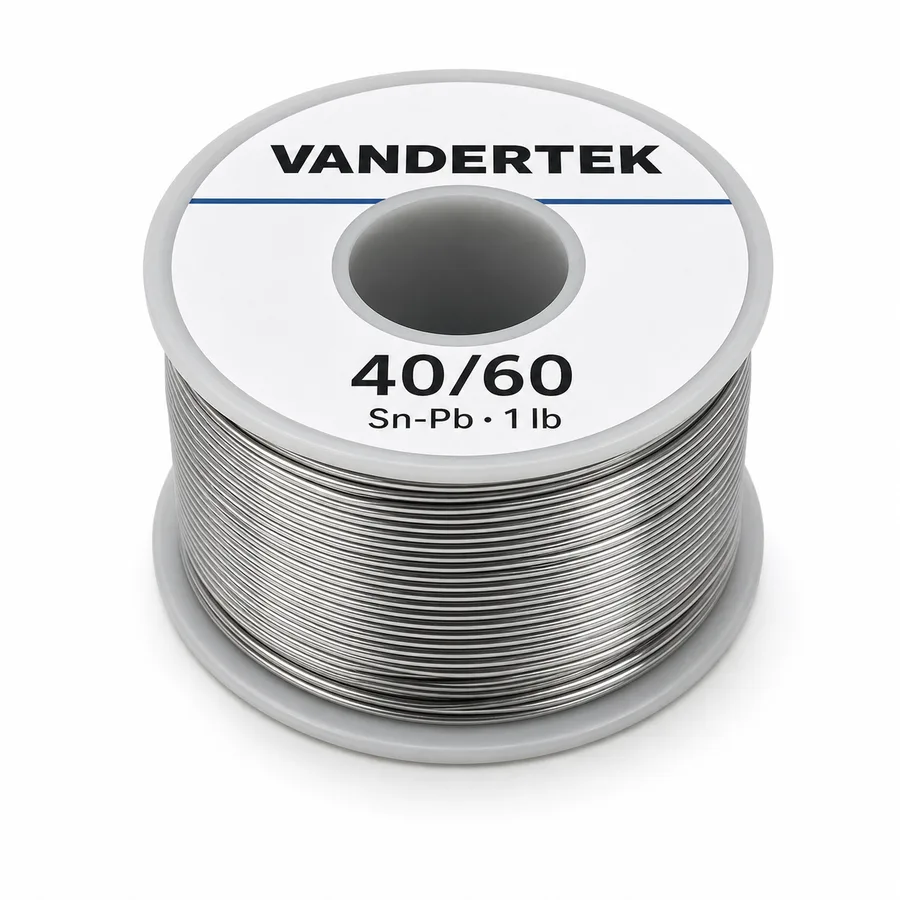
In stock — state diameter, package and quantity when requesting a quote and an advisor confirms the price.
| Standard | ASTM B32 Sn40 |
| Process | Soldadura blanda |
| Model | Sn40/Pb60 |
| Brand | Genérico importado |
| Base material | estaño-plomo |
| Type | Tin/lead |
40/60 tin solder is an ASTM B32 Sn40 tin-lead alloy for general industrial soft soldering. It is used in bodywork, gutters, galvanized sheet, radiators, copper or brass accessories and workshop jobs where better fluidity than 30/70 is required, while still leaving room for manual joint control. It is a highly requested reference for buyers who need a balance of cost, wetting and ease of application with a torch or industrial soldering iron. It differs from 50/50 because it keeps a higher lead proportion and a more pasty behavior; and from 30/70 because it wets better and supports more continuous beads. Since it is tin-lead, it is not the selection for potable water, food or lead-free specifications.
SoldaForce handles orders for 40/60 solder for contractors, maintenance workshops and industrial purchasing. We dispatch to Bogotá, Medellín, Cali, Barranquilla and all of Colombia. Request a quote via WhatsApp with quantity and required packaging.
It depends on kilograms, packaging and availability. Share the required quantity via WhatsApp to receive an updated quote.
No. 40/60 has more tin, usually wets better and flows more easily; 30/70 is more pasty and useful for filling.
Clean the area, apply the proper flux, heat without burning the coating and feed solder until continuous wetting is achieved.
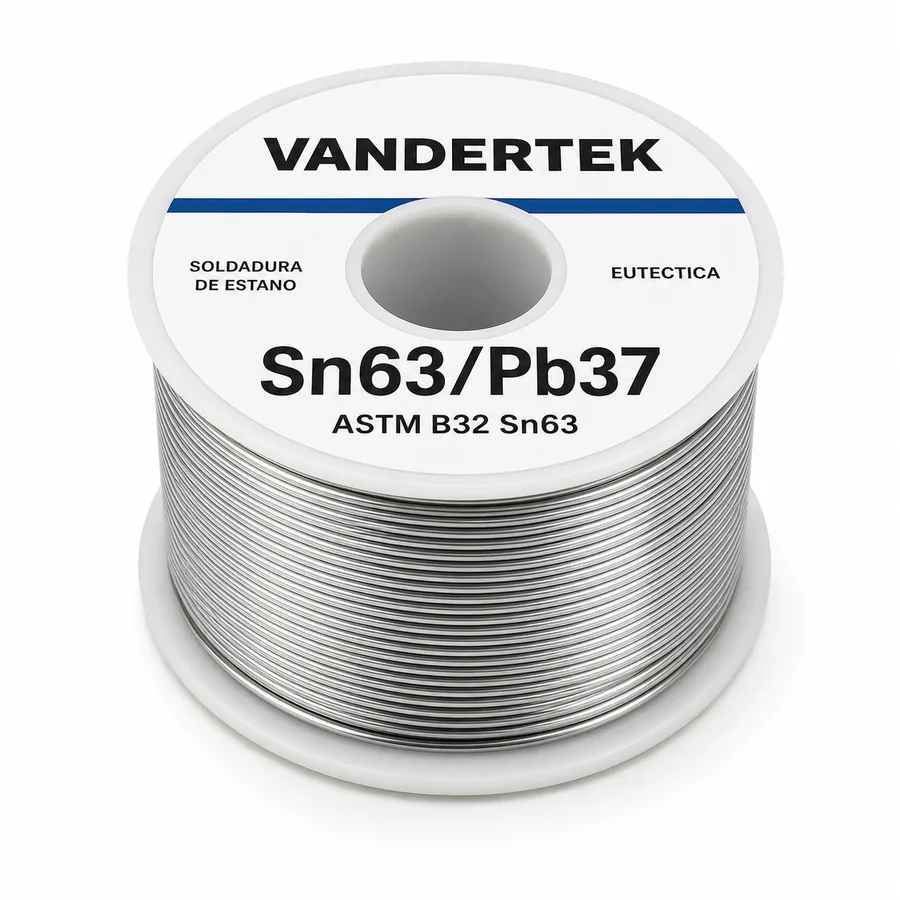
It can join conductors in basic work, but 63/37 is usually preferred for fine electronics because of its eutectic behavior.
Yes. It is a tin-lead alloy, so it must be avoided in potable water and projects with lead restrictions.
Yes. The lot corresponds to ASTM B32 Sn40, a tin-lead soft solder classification.
Updated: July 9, 2026